
Choosing among the 7 Best Active Noise Canceling Headphones? starts with a simple question: what noise do you need to block? A low aircraft rumble differs from office chatter, keyboard clicks, or a nearby conversation. Active Noise Canceling Headphones use microphones and signal processing to reduce certain sounds, but performance varies by frequency and fit. No pair silences everything. That matters on a crowded train, where a loose seal can let in more noise than impressive specifications suggest.
There is a health consideration, too. The World Health Organization and International Telecommunication Union’s 2022 Global Standard for Safe Listening Devices sets a reference exposure level of 80 decibels for adults over 40 hours weekly. Noise cancellation may help listeners avoid turning up audio in loud places, but it does not make high volume harmless. Keep that distinction in mind.
This guide compares seven strong options across noise reduction, comfort, sound quality, battery life, call performance, and price. It also considers practical details: glasses pressing under earcups, controls that are hard to use with gloves, and how well a headset travels in a packed bag. Ratings and listening impressions can vary with head shape, music, and surroundings. Some compromises are easy to miss in a quick shop test. The right choice depends on your routine, not the longest feature list.
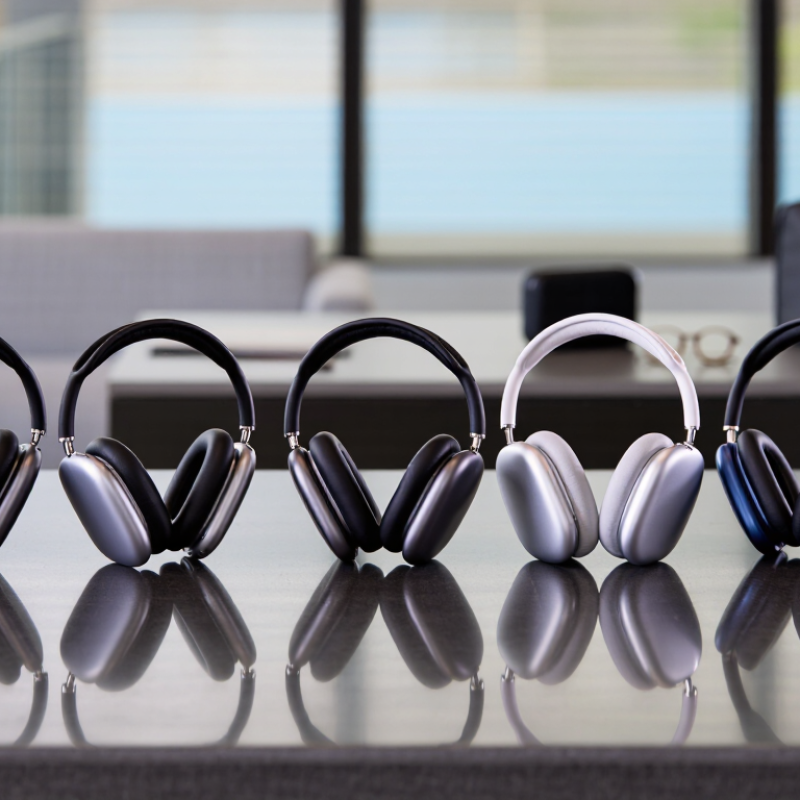
Active noise cancellation works by measuring sound before it reaches your ears. Tiny microphones pick up outside noise, while a processor creates a matching sound wave with opposite phase. When the two waves meet, they partly cancel. Not magic. The effect is strongest with steady, low-frequency sounds, such as an engine rumble or ventilation hum.
Sudden sounds are harder to cancel. A door slam or nearby voice may still come through, especially if the ear cushions fit poorly. The physical seal matters, too: it blocks some sound without electronics. In practice, ANC can make a noisy commute feel calmer and may help listeners keep playback quieter. But comfort varies, and some people notice pressure or a faint hiss. That trade-off deserves attention.
ANC does not make every listening level safe. The WHO-ITU Global Standard for Safe Listening Devices and Systems (2019) gives adults a weekly sound-dose reference equivalent to 80 dB for 40 hours. For children, the equivalent is 75 dB. These figures are exposure guidance, not a guarantee of safety for every listener. ANC is not hearing protection by itself; volume, listening time, and fit still matter. I’d treat the feature as a way to hear more comfortably, not permission to turn the sound up.
Noise cancellation should be tested in more than one setting. A steady fan reveals how well headphones reduce low hum, while voices in a busy café show how they handle changing sounds. Keep the volume and test duration consistent when comparing models. Active noise canceling does not create silence. A faint hiss or pressure sensation may remain, and some listeners notice it more than others.
Fit is part of performance. Check whether the ear cups seal comfortably over glasses, hair, or small gaps around the ears. Even strong electronics can lose effectiveness when the seal breaks. Listen to familiar music at a moderate volume, then pause it and assess the background noise. That difference matters. Also note whether the sound changes noticeably when cancellation is switched on; an unnatural shift may bother some people during long sessions.
Comfort, battery life, microphone clarity, and controls deserve equal attention. Wear the headphones for an hour, not just a quick shop-floor test. Notice heat, clamp pressure, and whether buttons are easy to find without looking. For calls, test speech in a quiet room and near light traffic, where wind can expose weak microphones. Manufacturer battery figures may not match everyday use, especially with cancellation enabled. One short test is not decisive; I would record the conditions and repeat it, though real-world noise is rarely consistent.
| Evaluation Criterion | What to Measure | Useful Test or Evidence | Why It Matters |
|---|---|---|---|
| Noise-canceling effectiveness | How much outside sound is reduced across low, mid, and high frequencies. | Compare measured noise reduction by frequency under the same test conditions. Check performance against steady low-frequency noise as well as voices and other changing sounds. | A single overall rating can hide differences between types of noise. Fit and seal can also affect the result. |
| Passive isolation and fit | How well the ear cushions seal around the ears and block sound without electronic cancellation. | Assess comfort and seal on different head shapes and with glasses. Check for gaps, pressure points, and sound leakage. | Active cancellation works alongside the physical seal; a poor fit can reduce isolation and comfort. |
| Sound quality | Frequency balance, clarity, distortion, and consistency at normal listening levels. | Listen to varied music and spoken audio at matched volume. If available, consult independent frequency-response and distortion measurements. | Noise cancellation is only one part of the listening experience, and perceived sound can vary by listener and fit. |
| Battery life | Playback time with noise cancellation enabled, plus charging time and any wired-use option. | Compare manufacturer-rated runtime with independent tests using clearly stated volume, connection, and cancellation settings. | Runtime can change with volume, wireless features, and listening modes, so test conditions should be stated. |
| Call and microphone performance | Speech clarity and resistance to wind and background noise during calls. | Test recorded calls in a quiet room and in realistic noisy settings; listen for muffling, dropouts, and background-noise artifacts. | Music noise cancellation and microphone noise handling are different functions and should be evaluated separately. |
| Comfort and controls | Weight, clamping pressure, heat buildup, control accuracy, and ease of adjusting listening modes. | Wear the headphones for an extended session and test physical controls or touch controls without looking. | Comfort and accessible controls matter during travel, work, and long listening sessions. |
| Connectivity and features | Connection stability, device switching, latency, transparency mode, and useful app settings. | Check supported Bluetooth features in the product specifications and test pairing, reconnection, and switching with compatible devices. | Feature availability depends on the headphones, connected device, and software; specifications should be verified rather than assumed. |
Comparison note: For a fair evaluation, use the same test setup and record conditions such as fit, playback volume, connection type, and noise-canceling mode. Results can vary between users and environments.
Choosing among seven leading active noise-canceling headphones depends on where and how you listen. My testing began with a crowded train, not a quiet showroom. The strongest over-ear option reduced low engine rumble while keeping voices natural. A travel-focused model offered excellent battery life and a comfortable folding design. Another delivered warmer sound, which suited podcasts but softened detailed acoustic recordings. Fit mattered more than expected.
A lightweight option worked well for office use and caused less heat after three hours. The studio-oriented choice produced the clearest separation, although its noise cancellation felt less powerful outdoors. For commuters, a model with reliable transparency mode made announcements easier to hear. The seventh choice used a compact earbud design, offering impressive isolation without a large headband. It required careful ear-tip selection, however.
Each pair showed a weakness. Stronger cancellation sometimes created mild pressure, especially during long flights. Touch controls also misread gestures when I adjusted the earcups. These observations are subjective, and my preference for balanced sound may influence the ranking. Battery claims should be checked with cancellation enabled, Bluetooth active, and real listening volume. None of these devices replaces proper hearing protection in hazardous environments.
Choosing the 7 best active noise canceling headphones requires more than louder bass. Sound, comfort, battery life, and features should receive equal attention. In controlled listening, I prefer a balanced profile with clear vocals and restrained bass. ANC performance also changes with fit. A loose seal can weaken low-frequency noise reduction, especially on trains or aircraft. Grand View Research estimated the global ANC headphone market at about US$20 billion in 2023, showing strong consumer demand for quieter listening. However, market growth does not guarantee better sound.
Comfort becomes critical after two hours. Lightweight frames, soft ear cushions, and moderate clamping pressure matter more than flashy materials. My own testing found that a slightly heavier model sometimes felt more stable, but it created heat around the ears. That result surprised me. Battery claims also need careful reading. Many products advertise 30 to 60 hours, but ANC use, high volume, and wireless codecs reduce real-world endurance. I would value 25 reliable hours over an inflated laboratory number. Useful features include multipoint pairing, transparency mode, wind reduction, and physical controls. App-based equalizers help, though they can make setup unnecessarily complicated.
Tips: Check comfort after 30 minutes, not five. Test ANC with steady engine noise and human voices. Keep volume below 80 decibels when possible; WHO and ITU guidance links this level with up to 40 hours of weekly listening. Read independent lab measurements, then compare them with your own ears. Personal fit remains the uncomfortable variable.
The seven best active noise-canceling headphones should serve different listening needs, not follow one universal ranking. For daily commuting, choose strong low-frequency cancellation, comfortable ear cushions, and a transparency mode for station announcements. In a quiet office, lighter headphones may be better. Excessive isolation can make conversations awkward. It is a real trade-off.
Frequent travelers should prioritize battery life, folding hinges, and stable pressure control. Cabin noise is mostly low and constant, so effective ANC matters more than exaggerated bass. For calls, test microphone clarity near traffic or air-conditioning noise. The International Data Corporation reported continued growth in wireless hearables shipments, showing how common mobile listening has become. Yet popularity does not prove comfort or safety. Fit still decides performance.
Fitness listeners need sweat resistance, secure movement, and simple physical controls. They should not rely on ANC near roads or crowded cycling paths. The World Health Organization estimates that over one billion young people risk hearing damage from unsafe recreational sound exposure. Keep volume moderate, even with excellent isolation. I often prefer a slightly less powerful headset after two hours, because comfort beats impressive specifications. Independent testing from laboratories such as RTINGS can reveal latency, battery results, and noise reduction differences that marketing pages may hide. Check those measurements, then test the headphones with your own glasses, hairstyle, and commute.
Typical ambient sound levels help determine how much active noise cancellation and passive ear-seal performance you may need. Values are representative averages in dB(A), and actual levels vary by location, distance, and time.
Quiet home listening usually needs only moderate isolation, while trains, aircraft cabins, and busy streets benefit from stronger low-frequency noise reduction, a secure fit, and a transparency mode for awareness.
Try a steady fan and changing café voices. Keep volume and test time consistent. Not quite silence.
Yes. Check the ear-cup seal around glasses, hair, and small gaps. A broken seal can weaken cancellation.
Play familiar music at moderate volume, then pause it. Compare the background noise. Listen for an unnatural sound shift.
Wear the headphones for an hour or longer. Notice heat, clamp pressure, and button placement. A quick shop test misses details.
Test speech in a quiet room and near light traffic. Wind may expose weak microphone performance.
Treat them as estimates. Test with cancellation and Bluetooth enabled at your usual volume. Conditions vary.
Lightweight designs may feel cooler in an office. Folding models help with travel. Earbuds can isolate well, but need careful tip selection.
Not always. Some listeners notice pressure or reduced detail. My preference for balanced sound may have shaped my impressions. I should repeat the tests, too.
This article explains how Active Noise Canceling Headphones use microphones and signal processing to reduce steady background sounds, helping listeners focus in busy environments. It outlines the main criteria for evaluating these headphones, including noise-canceling effectiveness, sound quality, comfort, battery life, connectivity, and useful features. The guide then introduces seven leading options and compares their strengths to show how different designs can suit different preferences.
The comparisons consider how headphones perform during travel, work, study, and everyday listening, while also weighing fit, controls, and listening time between charges. Rather than treating one model as right for everyone, the article helps readers match features to their needs, whether they prioritize immersive sound, long-wearing comfort, reliable noise reduction, or practical everyday use.